
Knowing the root cause of Ulcerative Colitis means evidence-based treatments are possible. UC is not an incurable disease.

Hydrogen peroxide in the colon: In this biopsy of the inner lining of the colon at left you can see the colonic epithelial cells forming long tubes called crypt of Lieberkühn. These colonic epithelial cells cover the inner surface of the colon like a sheet, which is called the colonic epithelium. The colonic epithelial cells produce hydrogen peroxide (black dots) that leaks out of the cells into the extracellular space and reaches the blood vessels just below. The distance between the colonic epithelial cells and the blood vessel is about 50 micrometers or about the width of a human hair, a distance that is easily diffusible by hydrogen peroxide. Once the hydrogen peroxide reaches the blood vessel, it attracts white blood cells called neutrophils into the colonic epithelium leading to inflammation and ulcerative colitis.

The goals in the treatment of ulcerative colitis are twofold. The first goal is to resolve the inflammation by eliminating the hydrogen peroxide outside the cells in the extracellular space that is attracting the white blood cells (neutrophils) into the colonic epithelium (the cells lining the inner surface of the colon). Following this, the next step is to prevent the hydrogen peroxide from building up inside the colonic epithelial cells. Special antioxidants, known as reducing agents, are employed to neutralize hydrogen peroxide both within the cells and in the extracellular space. Sodium thiosulfate is used as the reducing agent to remove hydrogen peroxide from the extracellular space, while R-dihydrolipoic acid is used to normalize hydrogen peroxide levels within the colonic epithelial cells. Eliminating extracellular hydrogen peroxide will resolve inflammation causing the colitis, while normalizing hydrogen peroxide levels within colonic epithelial cells will prevent the recurrence of inflammation and preclude further flares or relapse of colitis, as long as hydrogen peroxide does not leak out of the cells. Additionally, a crucial aspect of preventing future accumulation of hydrogen peroxide within colonic epithelial cells is to avoid exposure to oxidative stress, which requires dietary and lifestyle modifications.
A frequently asked question regarding the treatment of ulcerative colitis is whether dietary changes alone can resolve the colonic inflammation and induce remission. While dietary modifications play a crucial role in the treatment and prevention of future relapses of colitis, they are typically insufficient to address the type of inflammation associated with ulcerative colitis on their own. The white blood cells in the colon responsible for colitis, (neutrophils), produce a significant amount of hydrogen peroxide, which sustains the inflammation. Therefore, the inflammation can only be halted by neutralizing the excess hydrogen peroxide with a reducing agent, followed by dietary changes to prevent future relapses.
Reducing agents are specialized antioxidants capable of neutralizing hydrogen peroxide and converting it into harmless water. They achieve this by donating electrons, which transforms each molecule of hydrogen peroxide into two molecules of water. Glutathione is an example of a natural reducing agent that is found in all cells. Two molecules of glutathione are utilized to convert one molecule of hydrogen peroxide into two molecules of water (H₂O). In this reaction, each glutathione molecule (GSH) donates one electron, totaling two electrons. These electrons react with one molecule of hydrogen peroxide (H₂O₂), converting it to water (H₂O), as illustrated in the following reaction:
2GSH + H2O2 > GSSG + 2H2O
The GSSG is called glutathione disulfide and is formed from the two molecules of glutathione that donate their electrons to neutralize the hydrogen peroxide. The enzyme glutathione peroxidase significantly accelerates this reaction, maintaining very low levels of hydrogen peroxide and preventing its toxic accumulation that could damage the cell. They are called reducing agents because the addition of electrons causes the oxygen in water to have a greater negative charge than the oxygens in hydrogen peroxide, which reduces the oxidation number (or charge) of oxygen from -1 in hydrogen peroxide to -2 in water. Thus, reducing agents donate electrons which reduces the oxidation number of the molecule that ends up with the electrons. This is why they are called reducing agents. This electron transfer process renders water a more reduced molecule than hydrogen peroxide.
Individuals with ulcerative colitis have insufficient levels of natural reducing agents to effectively neutralize the hydrogen peroxide produced in their colons. Supplementing with oral reducing agents can restore much of the reducing capacity required to neutralize excess hydrogen peroxide in the colon. This supplementation has been reported to resolve the colitis and rectal bleeding (1).
Oral reducing agents provide the missing reductive (antioxidant) capacity needed by the colon to eliminate the excess hydrogen peroxide. This type of treatment will prevent further relapse of colitis as long as the hydrogen peroxide does not leak out of the colonic epithelial cell. Thus, restoration of the cell’s reductive (antioxidant) capacity with reducing agents can be considered a cure for ulcerative colitis. Reducing agents simply provide the colon with the reductive capacity needed to neutralize the excess hydrogen peroxide and prevent ulcerative colitis from returning. This is analogous to the need to consume daily amounts of vitamin C to prevent scurvy.
A common question regarding reducing agents is whether glutathione can be used to treat ulcerative colitis given its antioxidant properties. Unfortunately, the answer is no. For glutathione to be effective, it must be synthesized within the cell. When administered orally or intravenously, glutathione is degraded by enzymes in the body because it consists of amino acids (glycine, cysteine, and glutamate). Furthermore, at physiological pH, the glutathione molecule carries a negative charge, preventing it from crossing the cell membrane. Glutathione also requires the intracellular enzyme glutathione peroxidase to neutralize hydrogen peroxide. This enzyme, along with many others, is inhibited by the elevated levels of hydrogen peroxide present in the colonic epithelial cells of individuals with ulcerative colitis. Additionally, the high levels of hydrogen peroxide outside the colonic epithelial cells would oxidize glutathione, rendering it ineffective as a reducing agent (antioxidant).
1. Novel combination therapy induced histological remission in patients with refractory ulcerative colitis-case series report. J Inflam Bowel Dis Disor. 2019;4:1-8.
Sodium thiosulfate (STS) is a reducing agent that can be given orally or intravenously. The Food and Drug Administration considers STS as a ‘Generally Recognized as Safe (GRAS)’ compound and has approved it as an antidote for the treatment of cyanide poisoning and as a chemoprotectant to prevent cisplatin toxicity. Oral STS (5 grams daily) has been administered for up to 18 years to treat recurrent kidney stones (1). STS 1/8th teaspoon (650 mg) taken orally twice daily dissolved in distilled water has been used to induce remission in ulcerative colitis. As a reducing agent, STS donates electrons to hydrogen peroxide (H2O2), which neutralizes the H2O2 by converting it to water as seen in the following reaction:
Na2S2O3 (STS) + 2H2O2 > Na2SO3 + H2SO3 + H2O (water)

Hydrogen peroxide has a redox potential of approximately +1800 millivolts, whereas sodium thiosulfate (STS) has a redox potential of about +190 millivolts. This significant difference means that STS readily reacts with hydrogen peroxide upon contact. Additionally, STS is water-soluble, allowing it to remain within the bloodstream and colonic extracellular space, where hydrogen peroxide is found in ulcerative colitis.
The water solubility of STS enhances its ability to neutralize hydrogen peroxide in the colonic extracellular space, thereby addressing the inflammation associated with ulcerative colitis. For this reason, STS has been employed to induce remission in patients with ulcerative colitis. Sodium thiosulfate (STS) is available in both anhydrous and pentahydrate forms, each capable of neutralizing hydrogen peroxide (H₂O₂) to the same extent. When transitioning between these two oral forms, it is important to note that 60% of an oral STS pentahydrate dose is equivalent to the amount of STS in the anhydrous form. Clinicians administering the intravenous form of STS should be aware that the oral form is only about 7-8% bioavailable when determining the appropriate intravenous dose for the treatment of ulcerative colitis (2).
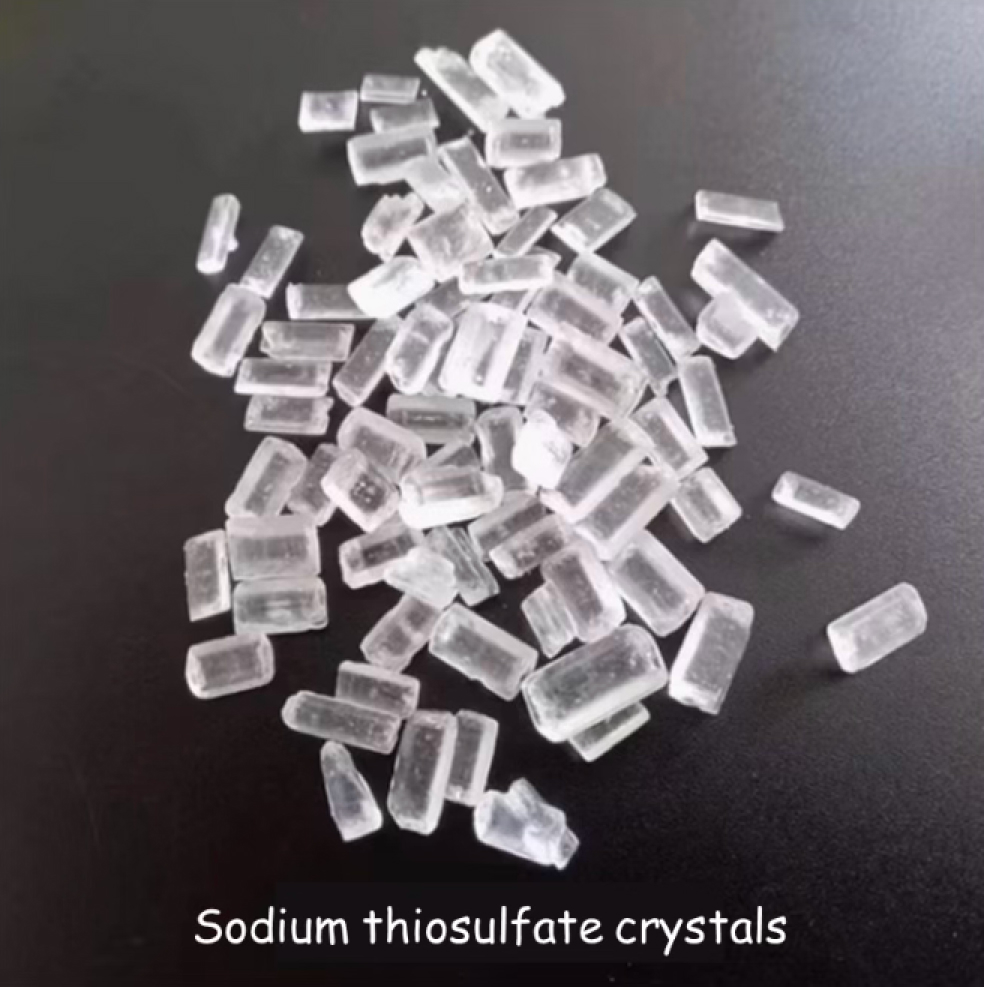
Frequently asked questions about sodium thiosulfate (STS) include: Is STS approved for the treatment of ulcerative colitis, and why is it thought to be effective for this condition? STS is not currently approved for the treatment of ulcerative colitis. Its predicted effectiveness in treating ulcerative colitis is based on evidence indicating that hydrogen peroxide secreted by colonic epithelial cells is the cause of this disease. As a reducing agent, STS can neutralize the excess extracellular hydrogen peroxide produced by colonic epithelial cells, which in turn eliminates the immune signaling that attracts white blood cells (neutrophils) into the inner lining of the colon and resolves the inflammation and colitis.
In summary, the evidence indicates that reducing agents such as STS can be highly effective in the treatment of ulcerative colitis. STS is well tolerated and has received approval for other medical conditions. Some mild side effects for some patients included diarrhea and nausea- although this is typically only with higher doses. Future studies will provide definitive insights into the potential role of STS in the treatment of ulcerative colitis.
2. Albugami MM, Wilson JA, Clarke JR, Soroka SD. Oral sodium thiosulfate as maintenance therapy for calcific uremic arteriolopathy: a case series. American journal of nephrology. 2013 Mar 1;37(2):104-9.
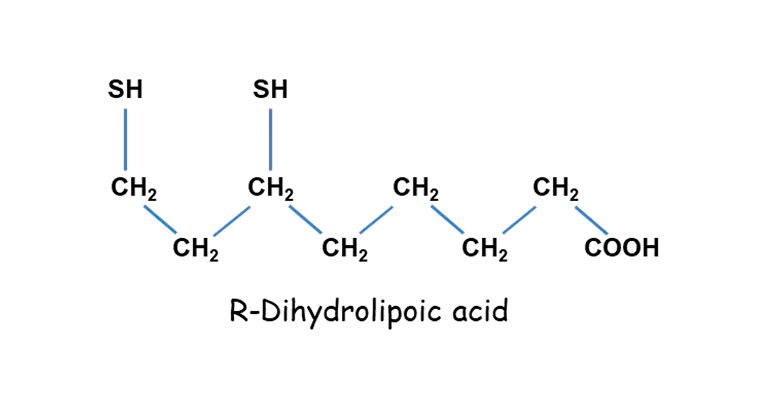
R-dihydrolipoic acid (RDLA) is another type of reducing agent. Unlike sodium thiosulfate (STS), which is water-soluble and effective in neutralizing hydrogen peroxide in the colonic epithelial extracellular space, RDLA is lipid-soluble and can penetrate colonic epithelial cells to neutralize excess hydrogen peroxide within the cell. This action prevents hydrogen peroxide from exiting the colonic epithelial cell into the extracellular space, thereby preventing inflammation and colitis. Since RDLA provides the colonic epithelial cells with the reductive (antioxidant) capacity that they are missing to neutralize the hydrogen peroxide, this represents a functional cure for ulcerative colitis since the colitis cannot reappear as long as the hydrogen peroxide does not leak out of the colonic epithelial cells.
A functional cure is reached when a disease is resolved by supplying the missing element the body needs to maintain health. For example, Vitamin C is a functional cure for scurvy. As long as we take adequate amounts of vitamin C we do not develop scurvy. Staying healthy is a function of taking vitamin C–that’s why it’s called a functional cure. The same reasoning applies to reducing agents and ulcerative colitis.
After normalizing the hydrogen peroxide levels within colonic epithelial cells, it takes approximately 1-2 weeks for hydrogen peroxide to accumulate again if RDLA is stopped. This can lead to inflammation and a flare of ulcerative colitis. Consequently, RDLA can be administered two to three times a week to maintain a colon free of inflammation and colitis. Once remission is achieved with daily sodium thiosulfate pentahydrate (STS) (or the compound enema as indicated below—depending on severity), transitioning to RDLA is recommended. For mild to moderate cases, induction of remission has been observed in 3-4 days with STS after which transition to RDLA is begun. RDLA restores normal cellular metabolism by eliminating excess intracellular hydrogen peroxide. Thus, RDLA is most effective once ulcerative colitis is in remission. Additionally, since excessive intracellular hydrogen peroxide can penetrate the nucleus of colonic epithelial cells and damage DNA, potentially leading to colon cancer, RDLA’s role in normalizing cellular hydrogen peroxide levels is anticipated to mitigate the high risk of colon cancer observed in patients with long-standing ulcerative colitis.
As previously noted, a specialized compound enema has been employed in place of STS for more severe cases to facilitate remission (1). The formulation and underlying rationale for this treatment have been documented (2). Administration involves a retention enema at bedtime, complemented by daily morning doses of RDLA. The compound enema is delivered once daily for 7–10 days, followed by administration every other day for an additional 7–10 days. RDLA therapy is maintained after completion of the enema regimen.
Oral RDLA at a dose of 150-200mg daily has been used to prevent relapse or flares of ulcerative colitis. After a week on daily RDLA, the frequency can be decreased to every other day for a week and then twice a week if possible.
A common question regarding RDLA is whether alpha-lipoic acid (ALA) can be used as a substitute and whether RDLA is approved for the treatment of ulcerative colitis. Unfortunately, the answer to both is no. ALA is the oxidized form of RDLA and can exacerbate ulcerative colitis. As an oxidizing agent, ALA should be avoided by individuals with ulcerative colitis as it can worsen the inflammation characteristic of this condition. Additionally, higher dosages of RDLA, typically over 300-400 mg daily, may cause mild sleep disturbances and dryness of the skin and mucous membranes. These side effects usually resolve by discontinuing RDLA and resuming at a lower dose after a few days.

Another common inquiry is: How long should RDLA be taken? While long-term studies have not yet been conducted, there is a case report of an individual with refractory ulcerative colitis for over 30 years who received RDLA treatment for only five months in 2007. Since then, the individual has remained symptom-free, with normal colonoscopy and biopsy results in 2019 (3).
Perhaps the most significant question is: If reducing agents are so effective in treating ulcerative colitis and potentially curing the disease, why hasn’t the gastrointestinal (GI) community and other non-profit foundations, whose stated mission is to find a cure, expressed interest in treating ulcerative colitis with reducing agents?
Many believe that the substantial profits generated from immunosuppressive agents, such as JAK inhibitors and biologics, lead stakeholders (other than patients) to overlook data in order to continue benefiting from the significant financial gains associated with these drugs. A cure for ulcerative colitis could result in billions of dollars in lost revenue for pharmaceutical companies, academic institutions, and gastroenterologists who prescribe these costly immunosuppressive medications. In summary, the chronic illness of ulcerative colitis generates significant profit for a small number of individuals and non-profit foundations, creating a lack of incentive to pursue a potential cure, which would diminish their revenue streams.
1. Sustained Histologic Remission (Complete Mucosal Healing) 12 Years after One-Time Treatment of Refractory Ulcerative Colitis with Novel Combination Therapy: A Case Report. J Inflamm Bowel Dis Disorder. 2020;5:1-5.
2. Pravda J, Weickert MJ, Wruble LD. Novel combination therapy induced histological remission in patients with refractory ulcerative colitis-case series report. J Inflam Bowel Dis Disor. 2019;4(130):2476-1958.
3. Pravda J. Evidence-based pathogenesis and treatment of ulcerative colitis: A causal role for colonic epithelial hydrogen peroxide. World journal of gastroenterology. 2022 Aug 21;28(31):4263-98.

Learn more about UC: What it is, what (actually) causes it, and an overview of the progress that has been made in research around it.

A curation of the most prominent, groundbreaking reports and studies that have been published on UC to date.

Learn more about how oxidative stress presents in the body, and how it leads to the initial emergence (and re-occurence) of UC.
All content on this website is for informational purposes only. Do not use or rely upon any information contained herein as a substitute for professional medical advice, diagnosis, or treatment- always consult with your doctor. The creator(s) disclaims all liability for any injury, loss, or damages, whether direct, indirect, implied, consequential, or otherwise, arising out of or in connection with the use of the information contained therein. By using this website, you agree to the terms of this disclaimer.